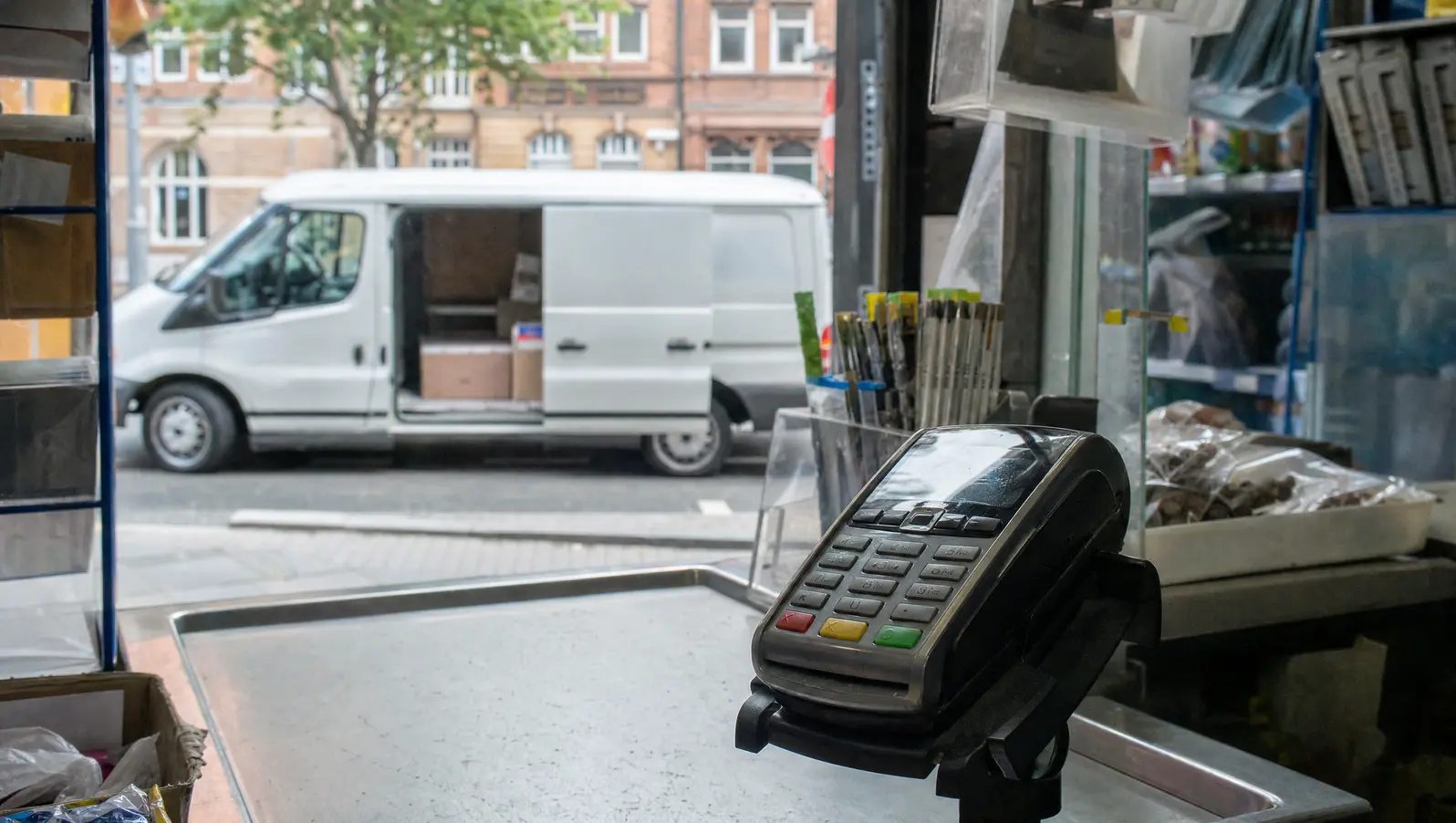



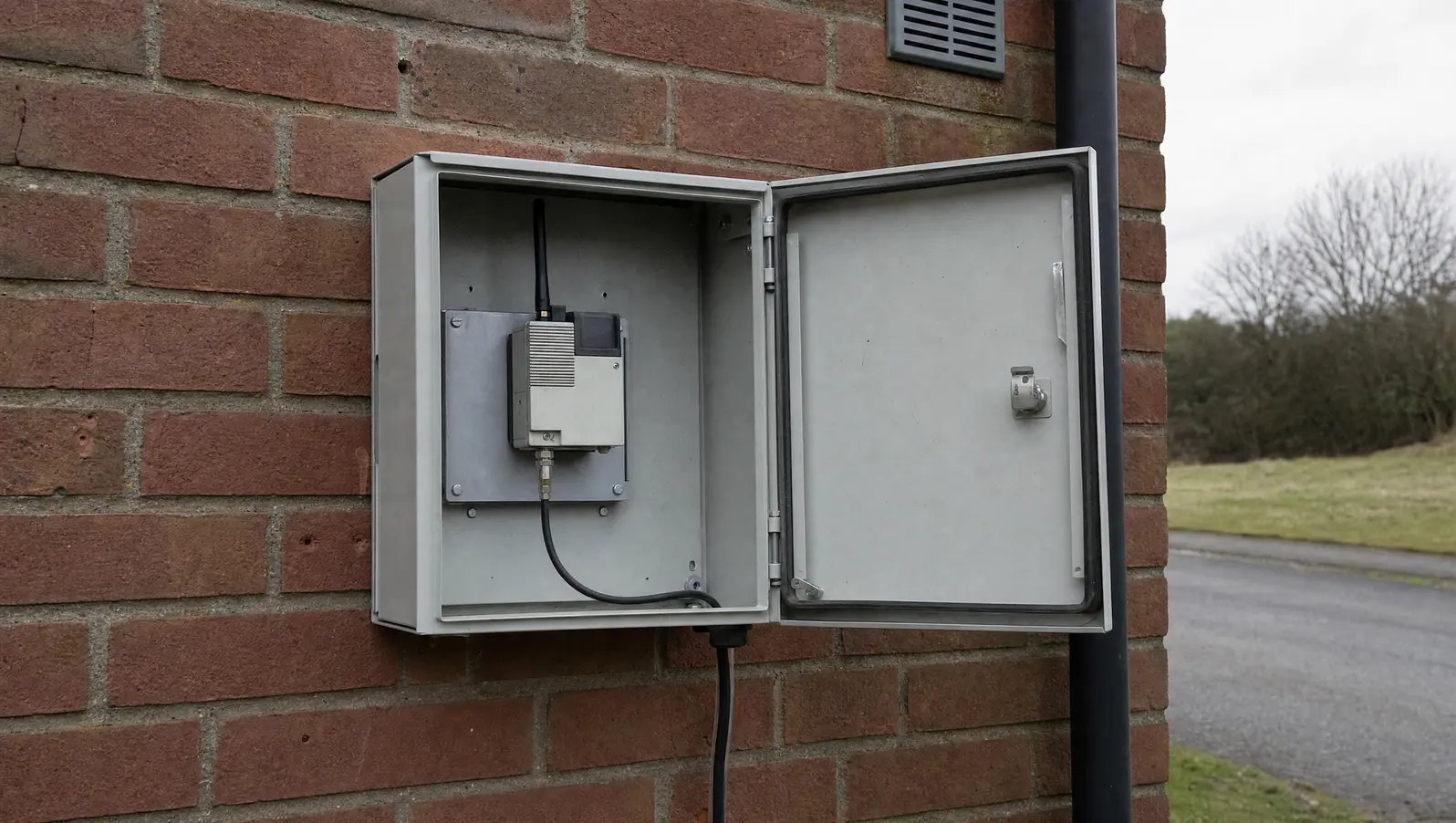
The 2G and 3G sunset means mobile operators are switching off the legacy networks that many older IoT devices were built on, and any device still relying on them will eventually go dark. The spectrum is being reused for 4G and 5G, so the shutdowns will not be reversed. Migrating on your own schedule, before a switch-off forces your hand, costs far less than an emergency retrofit.
Why operators are closing 2G and 3G down
Radio spectrum is finite. Every megahertz carrying 2G or 3G traffic is a megahertz not serving 4G and 5G.
Three pressures drive the sunset. The first is spectrum efficiency: 4G and 5G carry far more data per unit of spectrum, and demand keeps growing. The second is performance: modern applications, from video to industrial automation, need speeds and latency that 2G and 3G were never designed to deliver. The third is cost: running a legacy network alongside a modern one means maintaining two sets of infrastructure, and retiring the old one frees operator budget for the new.
For a business running IoT devices, the direction matters more than the dates. Each operator sets its own sunset timeline, and they differ widely between countries and networks. Assume any 2G or 3G device in your estate has a countdown running.
Which devices are most exposed
The devices at risk are the ones installed years ago and expected to run for a decade or more.
- Smart meters are often installed with a working life of 10 to 20 years, so a meter fitted on 2G in 2015 is now approaching the end of its connectivity, not its hardware life.
- Asset trackers in logistics and transport, especially cheaper units deployed in bulk, frequently still carry 2G or 3G modules.
- Industrial sensors sit in factories, cabinets and remote sites where nobody revisits the connectivity choice after installation.
The pattern is the same every time. The hardware still works, but the network underneath it is being taken away. When that happens a device does not degrade gracefully: it goes offline, and whatever it was reporting, metering or guarding stops being reported.
What to migrate to: 4G, 5G or LPWAN
The replacement is not one technology but a choice between three, and the right one depends on what each device actually sends.
LPWAN stands for Low Power Wide Area Network: a family of network technologies built for devices that send small amounts of data and need long battery life. Two LPWAN options run on mobile networks. LTE-M suits devices that move around or need voice and moderate data rates. NB-IoT (Narrowband IoT) suits fixed devices sending small packets, such as meters in a basement or a field.
| Device type | Typical traffic | Sensible target |
|---|---|---|
| Vehicle or asset tracker | Regular position fixes | LTE-M or 4G multi-network |
| Fixed smart meter | Small periodic readings | NB-IoT where covered, else 4G |
| Camera or gateway | Sustained data streams | 4G or 5G |
Wherever a device lands, the connectivity around it should be multi-network. A SIM locked to one operator inherits that operator's coverage holes and, eventually, that operator's sunset dates. A SIM that can roam across many networks keeps working when one fades, and gives you a migration path the next time a technology is retired.
A practical migration plan
A sunset migration succeeds when it is sequenced by risk, not by convenience.
- Audit the estate. List every device, its module generation and the network it sits on. The devices you cannot see are the ones that will surprise you.
- Find the sunset dates that apply. Ask your connectivity provider which networks your SIMs actually use today, country by country, and what the announced switch-off dates are for each.
- Rank by consequence. A revenue-critical payment terminal outranks a nice-to-have environmental sensor. Migrate the devices whose silence costs you money first.
- Choose hardware with headroom. Replacement modules should support 4G plus LTE-M or NB-IoT, and pair with multi-network SIMs so the next network change is a configuration change, not a truck roll.
- Migrate in waves. Pilot on a small group, confirm behaviour on live networks, then roll out. Watch each device's signal and roaming state as it moves onto the new network.
Device state, signal strength and roaming status need to be visible throughout. If you manage devices and SIMs side by side on one platform, such as RAAD™, you can see at a glance which assets have moved and which are still on a network with an expiry date.
Common questions
Is 2G already switched off everywhere?
No. Timelines vary enormously by country and operator. Some markets have already closed 2G and 3G; others keep 2G running for machine traffic and emergency calls. Check the dates that apply in each country your fleet operates in rather than assuming a single global schedule.
Can I keep using existing 2G devices if the network still exists?
You can, but treat it as borrowed time. Every announced closure makes spare modules scarcer and support weaker. Plan the replacement while the old network still works, because retrofitting after a switch-off costs far more than a planned swap.
Do LTE-M and NB-IoT work across borders?
Coverage for both is growing but patchier than standard 4G, and support varies by operator. For cross-border fleets, verify LPWAN coverage country by country, or pair an LPWAN-capable device with a multi-network 4G SIM as the fallback.
How Cloud-IQ approaches this
The sunset is a coverage problem with a deadline, and coverage is what Cloud-IQ does. Our multi-network SIMs work across 800+ mobile networks in 190+ countries, so a device that migrates off 2G can follow the strongest available signal rather than one operator's footprint, and unsteered roaming moves it to another network when one fades. Tariffs are built around the countries and data your fleet actually uses, with data pooled across the estate. Every SIM sits alongside the device it is fitted to on RAAD, the DigitalSom IoT platform, so you can see which assets have migrated and which are still exposed. Cloud-IQ is the DigitalSom group's global IoT connectivity business: we sell, deploy and support RAAD, and our engineers are on call 24/7 to tell a SIM fault from a network fault. Request a quote.