


An MNO owns the radio network and the spectrum licence behind it. An MVNO rents wholesale capacity from one or more MNOs and resells it, often through multi-network SIMs. An MVNA aggregates that capacity for smaller MVNOs. For devices in the field, the distinction decides how many networks a single SIM can reach, and who you call when one of those networks fails.
What an MNO owns, and why a fleet feels the limit
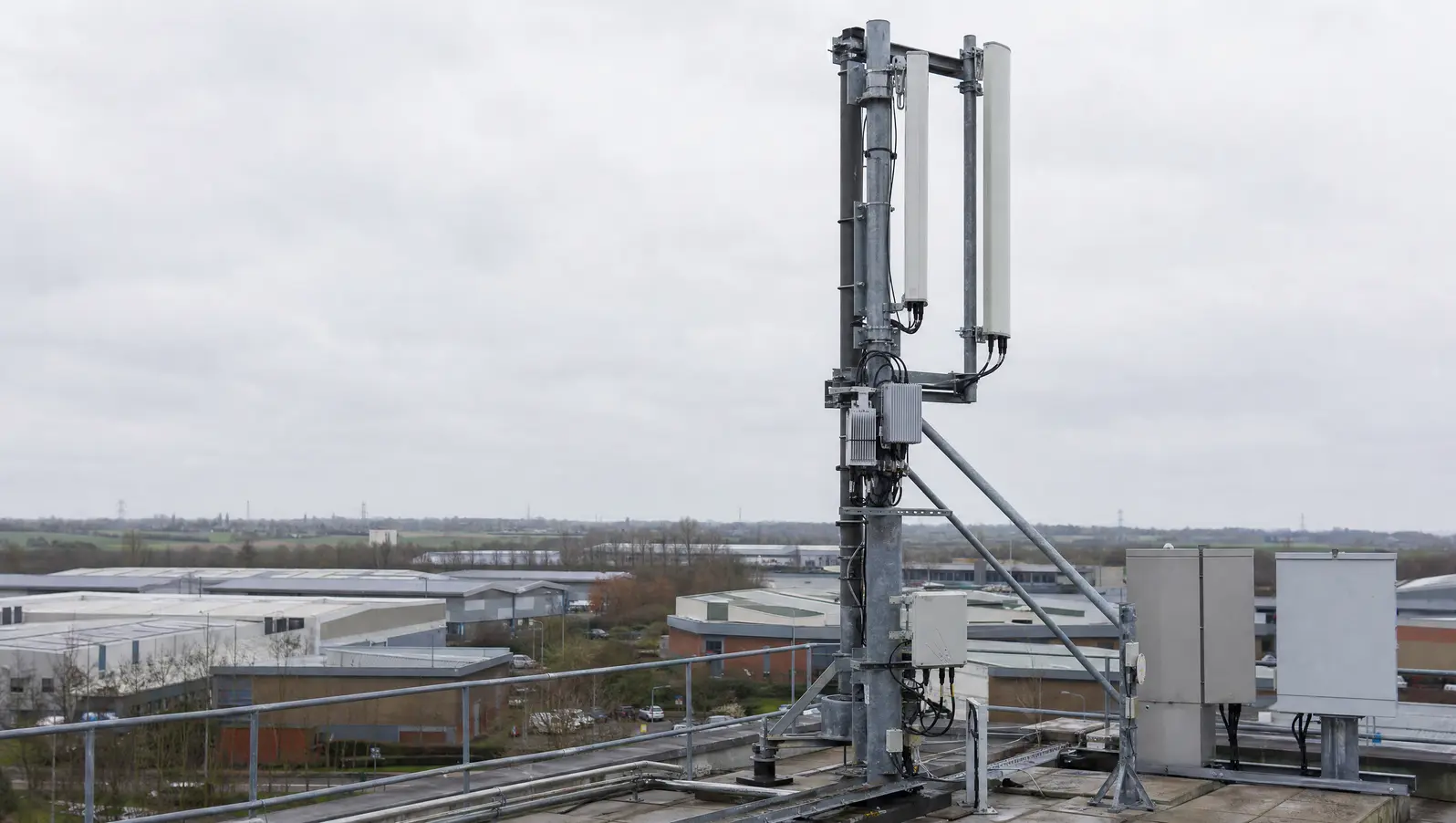
A Mobile Network Operator, or MNO, holds a radio spectrum licence and runs the infrastructure behind a mobile service: masts, base stations, and the core systems that identify each SIM and route its traffic. The consumer brands on the high street are MNOs. They build coverage where people live and work, sell subscriptions, and run their own billing and support.
That model works well for phones, and it rests on one rule: a SIM lives on its operator's network, with a short list of approved partners for travel. For a single phone the cost of that rule is small. The owner sees the bars drop and moves somewhere with better signal.
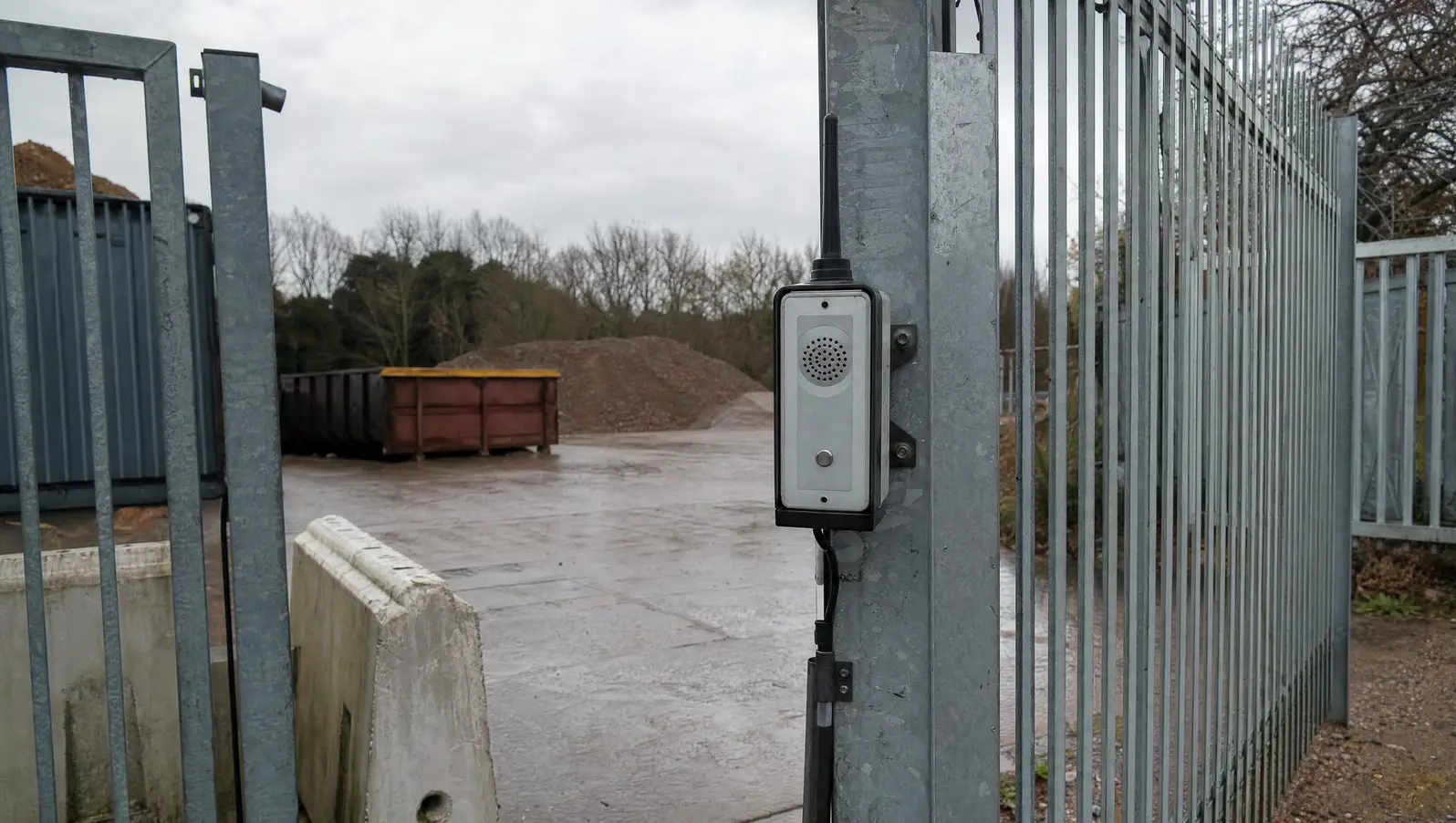
An estate of unattended devices cannot move. A payment terminal registers on one network, so if that operator's signal is weak at the till, the terminal stays weak at the till for as long as the contract lasts. A meter bolted to a basement wall has no better option. And because an MNO is licensed country by country, every border the fleet crosses brings another operator, another contract and another invoice.
What an MVNO changes for devices in the field
A Mobile Virtual Network Operator, or MVNO, owns no radio infrastructure. It buys capacity wholesale from one or more MNOs and resells it under its own brand, usually with the services a device fleet actually needs: SIMs activated and suspended without paperwork, data pooled across the estate, and one bill instead of a dozen.
The useful part for IoT is the multi-network SIM. An MVNO holding agreements with several networks in a country can issue one SIM profile that registers on any of them. When signal from one network fades at a site, the device moves to another rather than dropping offline. Well-designed multi-network SIMs are unsteered, so the SIM is free to sit on the best available network instead of being pinned to a preferred partner, and it moves again when that signal degrades.
Scale is the second benefit. One supplier, one tariff structure and one support line replace a stack of per-country contracts, and adding devices in a new region becomes a logistics exercise rather than a procurement project.
Where the MVNA and MVNE fit, and why a buyer should care
Two further acronyms describe the layer above. A Mobile Virtual Network Aggregator, or MVNA, buys airtime from MNOs in bulk and resells it to MVNOs, often smaller ones that lack the scale to negotiate with carriers directly. A Mobile Virtual Network Enabler, or MVNE, supplies the systems an MVNO runs on, such as provisioning, which gets SIMs set up and activated, plus billing and support tooling. Neither owns a mast.
The layer matters because many connectivity brands sit somewhere along this chain, and the chain decides two things: which networks a SIM can actually reach, and who is accountable when it stops reaching them. A supplier with no direct agreements can only pass a fault up the chain. Before signing, ask where the network agreements sit and who escalates a network fault to the carrier that owns it.
MNO, MVNO and MVNA at a glance
The three roles are easiest to tell apart by what each one can put behind a single SIM.
| Aspect | MNO | MVNO | MVNA |
|---|---|---|---|
| Owns radio infrastructure | Yes, under its spectrum licence | No, buys wholesale from MNOs | No, trades capacity between them |
| Networks one SIM can use | Its own, plus approved roaming partners | Several per country, per its agreements | It supplies MVNOs, not SIMs directly |
| Typical customer | Consumers and businesses in its licensed countries | Device fleets spanning many countries | Smaller MVNOs, not end users |
| Contract footprint for a fleet | One operator per country | One supplier for the estate | No direct relationship |
What to ask before buying IoT connectivity
Five questions separate a supplier that resells access to one network from one that can put several behind every SIM.
- How many networks can a SIM use in each country where devices actually live? A headline country count tells you little. The per-country network list is what keeps devices online.
- Are the SIMs steered or unsteered? A steered SIM sits on a preferred partner even when a stronger network is available, which wastes coverage you are paying for.
- Is data pooled across the estate, or metered SIM by SIM? Pooled data absorbs the one sensor that reports constantly alongside the ten that barely speak.
- Where are the SIMs managed? A spreadsheet cannot show which network a SIM is on or whether it has begun roaming. Look for each SIM to sit beside the device it is fitted to, as they do on RAAD™, the DigitalSom IoT platform, so connectivity and asset stay in one place.
- Who answers outside office hours, and can they tell a SIM fault from a network fault? The first decides how long a device stays dark; the second decides whether someone drives to site for nothing.
Common questions
Is an eSIM the same thing as an MVNO?
No. eSIM describes the SIM itself, a chip whose network profile can be rewritten instead of being fixed at manufacture. An MVNO is a business that resells network capacity. The two pair well, because a multi-network eSIM can change profile as a device changes country, but one is a piece of technology and the other is a commercial role.
Will an MVNO SIM work in any country?
Only where that MVNO, or the aggregator behind it, holds agreements with local networks. Coverage varies supplier by supplier, so ask for the per-country network list for the countries your devices actually operate in, not a headline total.
Does an MVNO run any network of its own?
Not the radio part. Masts and spectrum always belong to MNOs. An MVNO may run some of its own systems or rent them from an MVNE, but the physical network it sells access to is never its own.
How Cloud-IQ approaches this
Cloud-IQ is the DigitalSom group's global IoT connectivity business. We keep devices online across 190+ countries and 800+ mobile networks, and we sell, deploy and support RAAD, the DigitalSom IoT platform. For a device fleet, that means one multi-network SIM or eSIM in place of a SIM per country, unsteered roaming that keeps each device on the strongest available signal, and tariffs built around the countries and data you actually use, with data pooled across the estate. Every SIM is managed on RAAD beside the device it is fitted to, and engineers on call 24/7 can tell a SIM fault from a network fault. To put your estate on that model, Request a quote.