


VoLTE carries phone calls as data over an LTE connection instead of the older circuit-switched voice networks. Most IoT devices send data only and never place a call, so the technology passes them by. For the devices that do carry voice, and for any fleet facing 2G and 3G switch-offs, VoLTE changes how you plan connectivity.
How VoLTE moves voice onto the data connection
VoLTE is the standard that carries voice calls over the same LTE data connection a device already uses for everything else. Before it existed, a terminal on 4G had to drop to a 2G or 3G layer to place a call, a method called circuit-switched fallback. Circuit-switched voice reserves a dedicated channel for the length of the call, the way 2G and 3G networks carried calls for decades. VoLTE instead encodes speech as data packets and hands them to the IMS core, the part of the mobile network that manages calls carried as data.
The differences show up on any device that places calls:
| Attribute | 2G or 3G voice | VoLTE |
|---|---|---|
| What carries the call | A dedicated channel on the 2G or 3G layer | Data packets on the LTE connection |
| Call setup | Slower, and the device must first drop from LTE | Faster, on the network the device already uses |
| Sound quality | Narrowband | HD voice, noticeably clearer |
| Data during a call | Usually unavailable | Works at the same time |
| After the local 2G or 3G switch-off | No longer available | Unaffected, wherever LTE voice coverage exists |
Where voice turns up in an IoT estate
Most IoT devices never place a call. The ones that do tend to sit where a failed call has consequences.
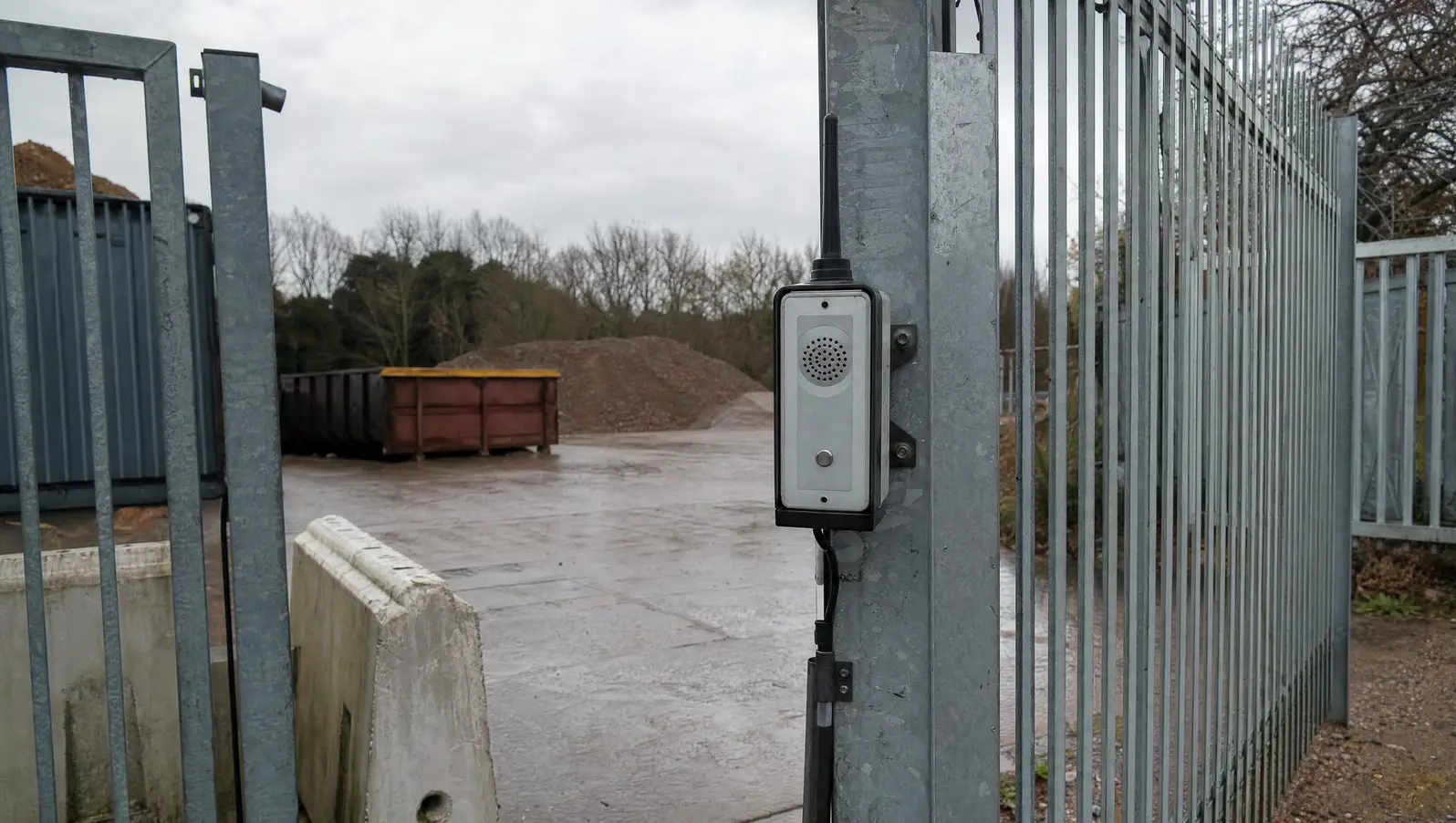
Lift and stairwell intercoms, lone-worker alarms, intruder panels that dial a monitoring centre, payment terminals that connect a customer to a support line, vehicle emergency-call units and telehealth hubs with a call button all carry live voice. For these devices voice is not an extra feature. A call that does not connect is a failure of the device's whole purpose.
That is why VoLTE matters to IoT even though most IoT traffic is telemetry. The voice-capable minority sets the requirements for the fleet it belongs to: wherever those devices operate, the network has to offer LTE coverage with working voice, and the SIM has to be able to reach such a network at all times.
Why the 2G and 3G switch-offs turned VoLTE into a planning problem
The 2G and 3G layers that carried circuit-switched calls are closing, on a different timetable in each country and on each network.
A device that used fallback for voice loses that fallback the day the local layers shut. From then on, its calls depend entirely on LTE coverage with voice support at every site it works from.
Cross-border fleets feel this first. A device can keep its voice service in one country and lose it in the next, because switch-off dates and voice coverage do not line up at borders. The SIM has to be able to move to a network that still offers what the device needs.
Energy use matters here too. VoLTE compresses voice packets for the purpose and sets calls up quickly, which keeps the radio on for less time per call. For a battery-powered alarm in a plant room or a gateway on a remote site, less radio time per call is real margin on a battery that may be hard to reach.
What to check before deploying a voice-capable device
Four checks catch most VoLTE deployment failures before devices ship.
- Modem support. Confirm the modem supports VoLTE on every network the device can use, not just in principle. A chipset can be voice-capable yet lack the configuration a given network expects, so test on each network the SIM may land on.
- Coverage at the real locations. An intercom in a lift shaft or a terminal in a basement sees far less network than the street outside. Verify LTE voice at the mounting position, not at postcode level.
- Call behaviour in the field. Test call setup, call quality and data-during-call where the device will operate, not only in a lab.
- Registration after deployment. A device can register for data and fail to register for voice. When data reports look healthy but calls fail, the symptom points at voice registration, not at the SIM.
At fleet scale those checks need the SIM and the device in one view. SIMs and the assets they are fitted to are managed together on RAAD™, the DigitalSom IoT platform, so the network a SIM is using, its signal and its roaming state sit beside the device's own data, and a fault can be triaged from a desk rather than by sending an engineer up a lift shaft.
Common questions
Do data-only IoT devices need VoLTE?
No. A meter or a tracker that never carries voice needs reliable LTE data and nothing more. VoLTE becomes relevant when a fleet mixes device types, because the voice-capable units set the bar for coverage and hardware choices across the estate.
Does VoLTE drain batteries faster?
Generally the opposite. Compressed voice packets, quick call setup and no drop from LTE to an older layer all shorten the time the radio spends transmitting, and radio time is what consumes a battery. The saving is small for devices that sleep most of the time and useful for devices that talk often.
What happens to a VoLTE device outside LTE coverage?
The call cannot ride a network that is not there. If an older 2G or 3G layer still exists nearby, some devices fall back to it for voice; where none exists, the call fails. Treat any site without LTE voice as a coverage gap and confirm the fallback before the device ships.
How Cloud-IQ approaches this
Cloud-IQ is the DigitalSom group's global IoT connectivity business. We keep devices online across 190+ countries and 800+ mobile networks, and we sell, deploy and support RAAD, the DigitalSom IoT platform. For a fleet with voice-capable devices, that means one multi-network SIM instead of a SIM per country, unsteered roaming that keeps each device on the strongest available signal, SIMs managed on RAAD beside the devices they are fitted to, and engineers on call 24/7 who can tell a SIM fault from a network fault. To plan connectivity for devices that carry voice, Request a quote.