


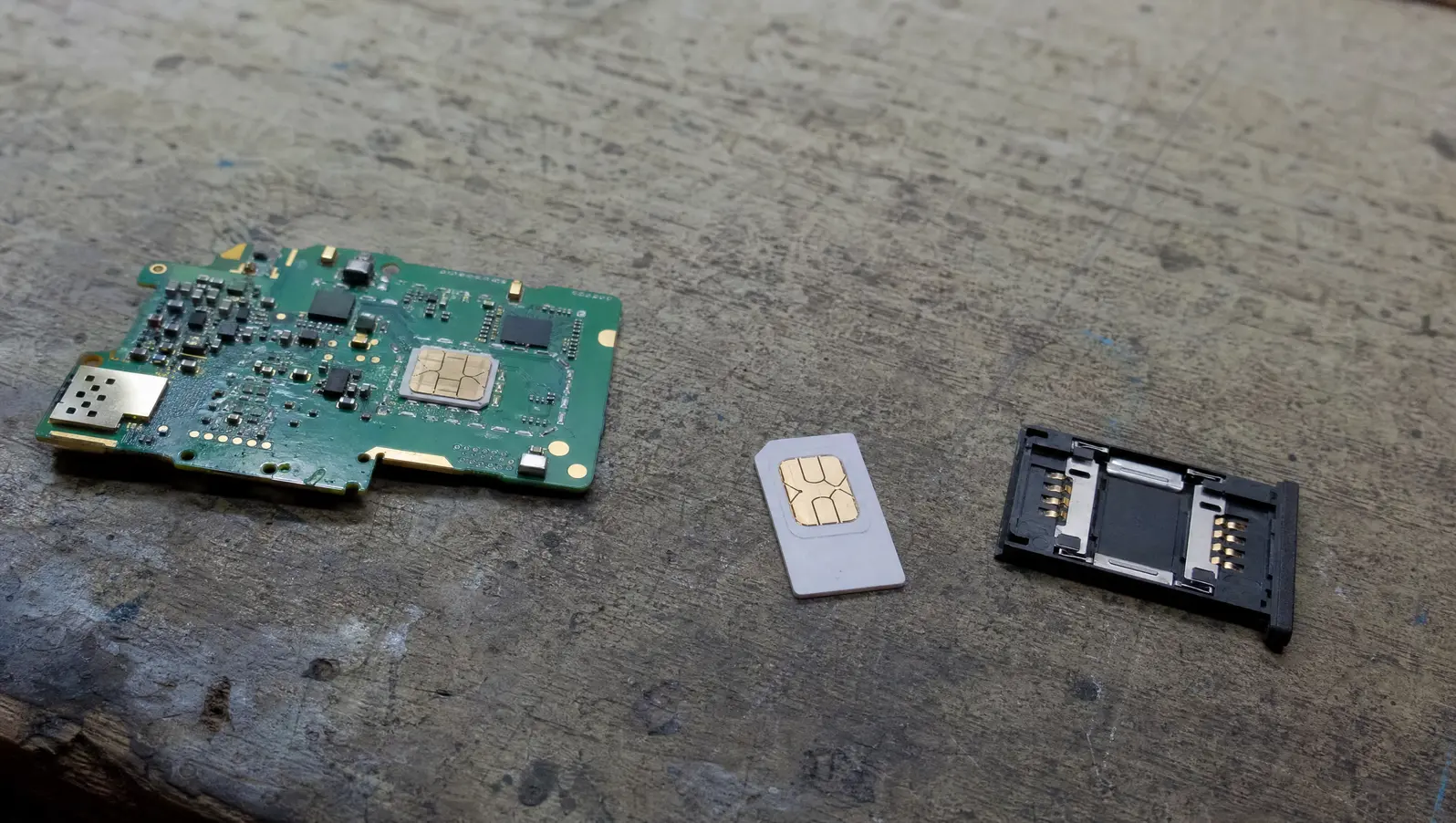
An eSIM is a SIM soldered into the device rather than slotted into a tray, and its network profile can be changed remotely. The case for eSIM for IoT devices rests on flexibility, size and security. The case against comes down to up-front cost, uneven carrier support and management work that moves rather than disappears.
What an eSIM actually is
An eSIM is a form factor and a provisioning method, not a coverage promise. The name means embedded SIM: the SIM becomes a chip fixed to the device's circuit board instead of a plastic card in a slot. The network identity, meaning the operator, the keys and the rights the SIM holds, lives in a profile: a file that can be downloaded and replaced over the air, which is to say through the mobile connection itself. Nobody needs to open the device.
None of that says which networks the device can use. A SIM's reach is set by the commercial agreements behind its profile. An eSIM that can only reach one network in a country is no better off than a single-network card in a tray. What makes any SIM useful in the field, embedded or not, is multi-network access: one profile accepted by many networks, so the device can move to whichever signal is strongest.
The case for eSIM for IoT devices
Remote provisioning is the benefit that pays for the rest of this list.
Network changes without a site visit
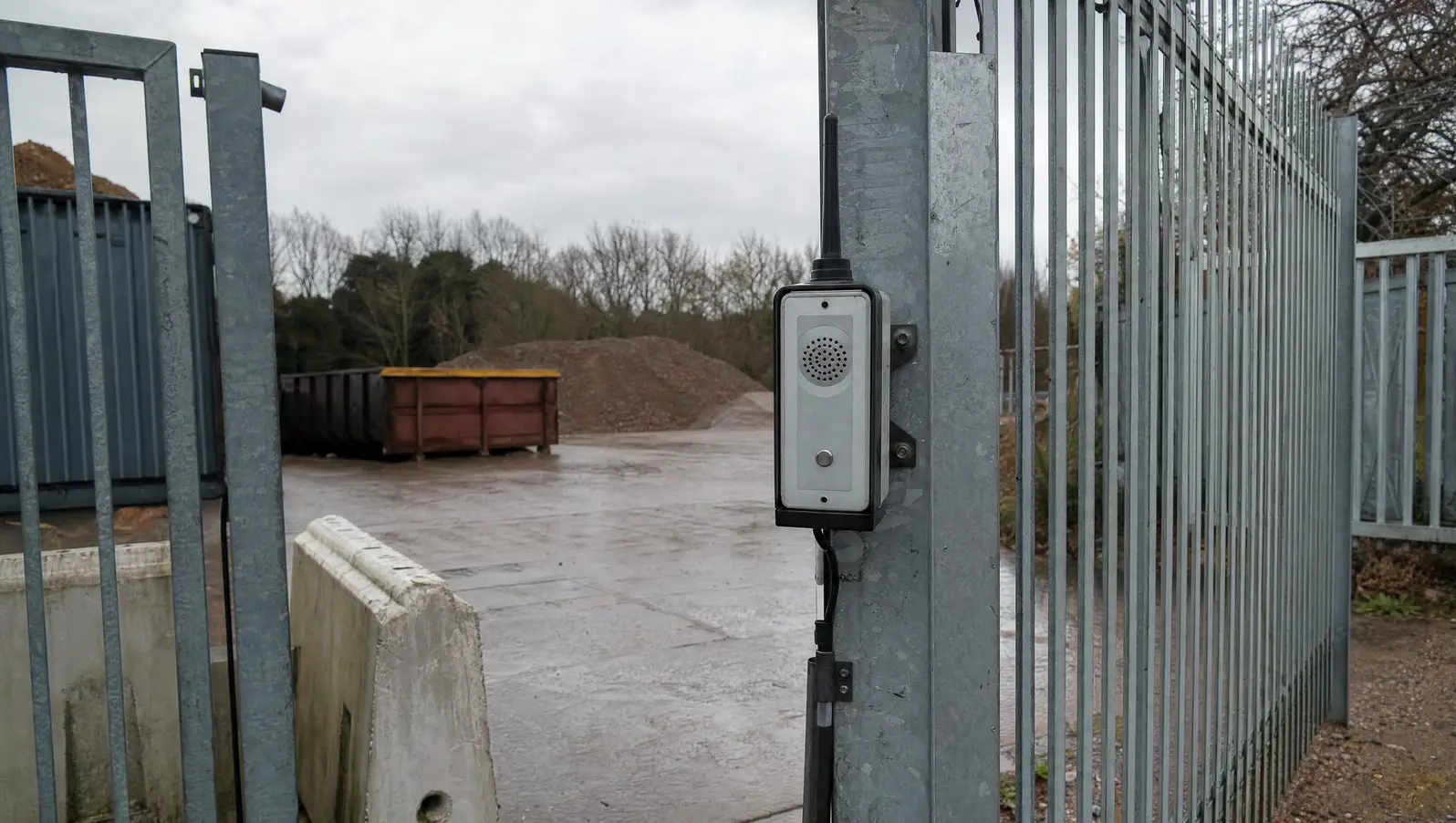
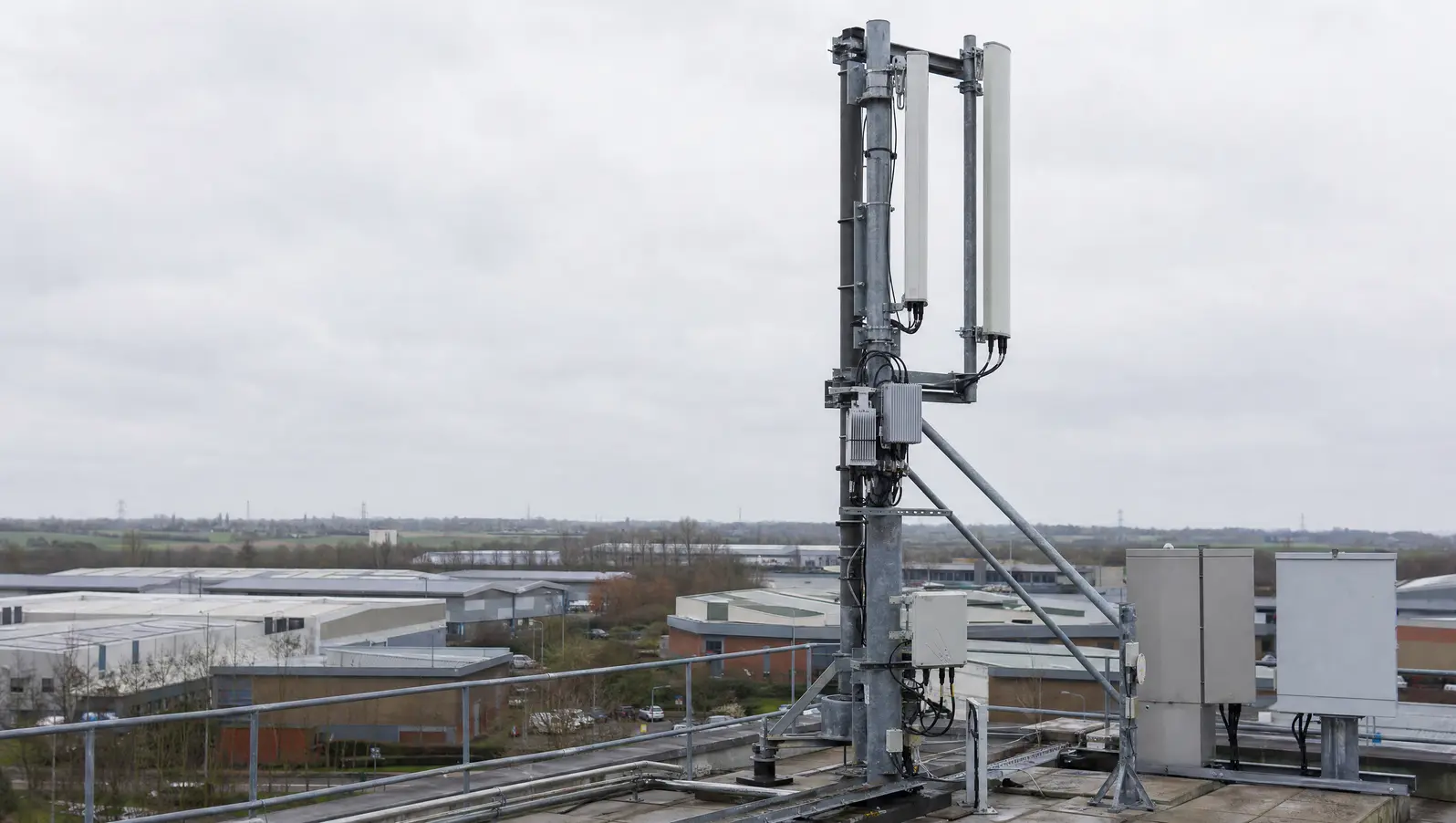
The alternative to an over-the-air profile change is a person, a van and a key. Water meters sit in buried chambers, sensors are bolted to rooftops, payment terminals live behind counters. Changing the card in each one by hand turns a commercial decision into a project measured in weeks. An eSIM applies the same change across the whole fleet from a desk, on the day the decision is made.
A smaller part count
A removable SIM needs a tray, a connector and contacts that stay clean. A soldered chip needs none of them. That matters in small devices such as asset trackers, where every millimetre is spoken for, and in anything that shakes, because there is no card to work loose and no contacts to corrode.
Harder to tamper with
A card in a slot can be pulled out and lost, or moved into another device. A chip on the board cannot. Reserve profiles can also be held on the SIM, so if the primary network is disrupted, a fallback can be switched on remotely instead of waiting for a site visit.
A hedge against network change
Networks are retired. The 2G and 3G switch-offs stranded fleets whose SIMs could not be moved, and technology turnover will happen again. eSIMs are built to carry profiles across 4G, 5G and LPWAN. LPWAN, short for Low Power Wide Area Network, covers the low-power classes such as LTE-M and NB-IoT, which send small amounts of data over long distances on very little power. A fleet that can be re-provisioned can follow the networks, instead of being replaced when the network beneath it closes.
Removable SIM and eSIM, side by side
The honest comparison is attribute by attribute, because every strength on one side has a matching cost on the other.
| Attribute | Removable SIM | eSIM |
|---|---|---|
| Changing network | Physical swap, one device at a time | Profile pushed over the air, fleet-wide |
| Space and parts | Tray, connector and card add bulk | One chip soldered to the board |
| Vibration and wear | Contacts can loosen or corrode | No moving parts to fail |
| Tampering | Card can be removed and reused | Chip cannot be pulled out |
| Up-front cost | Lower per device | Higher integration and software cost |
| Best fit | Devices you can reach | Sealed, remote or long-life devices |
Where the eSIM model gets expensive
None of these drawbacks is a reason to walk away, but each one changes what a deployment has to plan for.
Higher up-front cost
Hardware that supports eSIM, and the software infrastructure needed to provision profiles, cost more than removable cards. For small deployments or low-margin applications, that gap can decide the business case on its own. It can be repaid over the device's life through fewer site visits and fewer replacements, but the repayment is a projection and should be treated as one.
Carrier support is still uneven
Not every network accepts eSIM profiles, and support varies from country to country. An eSIM is only as good as the networks that will take its profile. If the networks behind it are thin in a region, the device goes dark there regardless of what the chip could do, so judge an eSIM offer by the network reach behind it rather than by the chip.
Profile management still takes work
Provisioning, updating and maintaining profiles across a fleet of thousands is real operational work, and it outgrows a spreadsheet almost immediately. The site visits go away, and profile administration takes their place. This is where the platform, rather than the SIM, decides whether the promise holds. On RAAD™, the DigitalSom IoT platform, every SIM sits beside the device it is fitted to: you can see which network a SIM is on, its signal strength and its roaming state, catch a drop-off before the device goes dark, and activate or suspend without opening a second system.
You need a connection to change the connection
Remote provisioning rides on the very thing it is meant to manage. If a device has lost coverage entirely, a new profile cannot reach it and cannot be verified on it. Sensible deployments keep a working profile in place at all times, change a slice of the fleet at a time rather than all of it at once, and check every change on RAAD instead of assuming it landed. An eSIM changes profiles, not physics: coverage still comes from the networks behind the SIM.
Common questions
Is an eSIM the same as a multi-network SIM?
No. An eSIM describes form and provisioning: a chip inside the device, with profiles delivered over the air. Multi-network describes reach: one profile accepted by many networks. The two combine well, but they answer different questions, and you can have either without the other.
Do eSIMs work on low-power networks?
Yes. eSIM profiles are designed to work across 4G, 5G and LPWAN classes such as LTE-M and NB-IoT, which carry small messages from battery-powered devices over long distances. The form factor does not tie a device to one technology, which is a large part of the futureproofing argument.
When is a removable SIM the better choice?
A removable SIM is the better choice when the devices are reachable and the volume is small. A pilot that fits in one room, or hardware that already ships with a slot, may never repay the cost of eSIM integration. The embedded form earns its premium on sealed, remote or long-life devices, where the expensive thing is the site visit.
How Cloud-IQ approaches this
Cloud-IQ is the DigitalSom group's global IoT connectivity business. We keep devices online across 190+ countries and 800+ mobile networks, and we sell, deploy and support RAAD, the DigitalSom IoT platform. Our multi-network SIMs and eSIM put one profile across those networks in place of a SIM per country. Unsteered roaming keeps each device on the strongest available signal and moves it to another network when one fades. We build tariffs around the countries and data a fleet actually uses. SIMs are managed on RAAD beside the devices they are fitted to. Our engineers are on call 24/7 to tell a SIM fault from a network fault, and you can Request a quote.