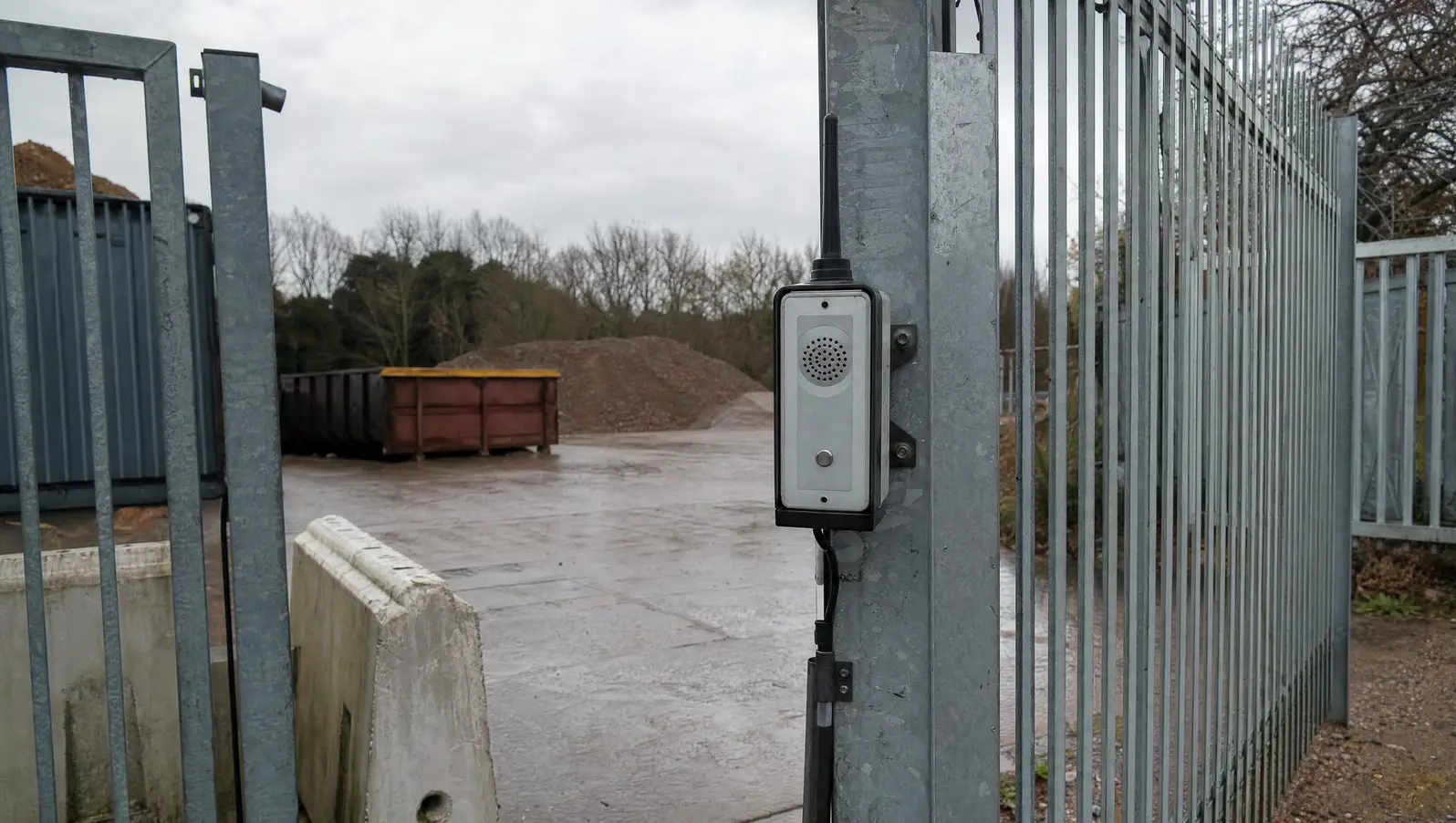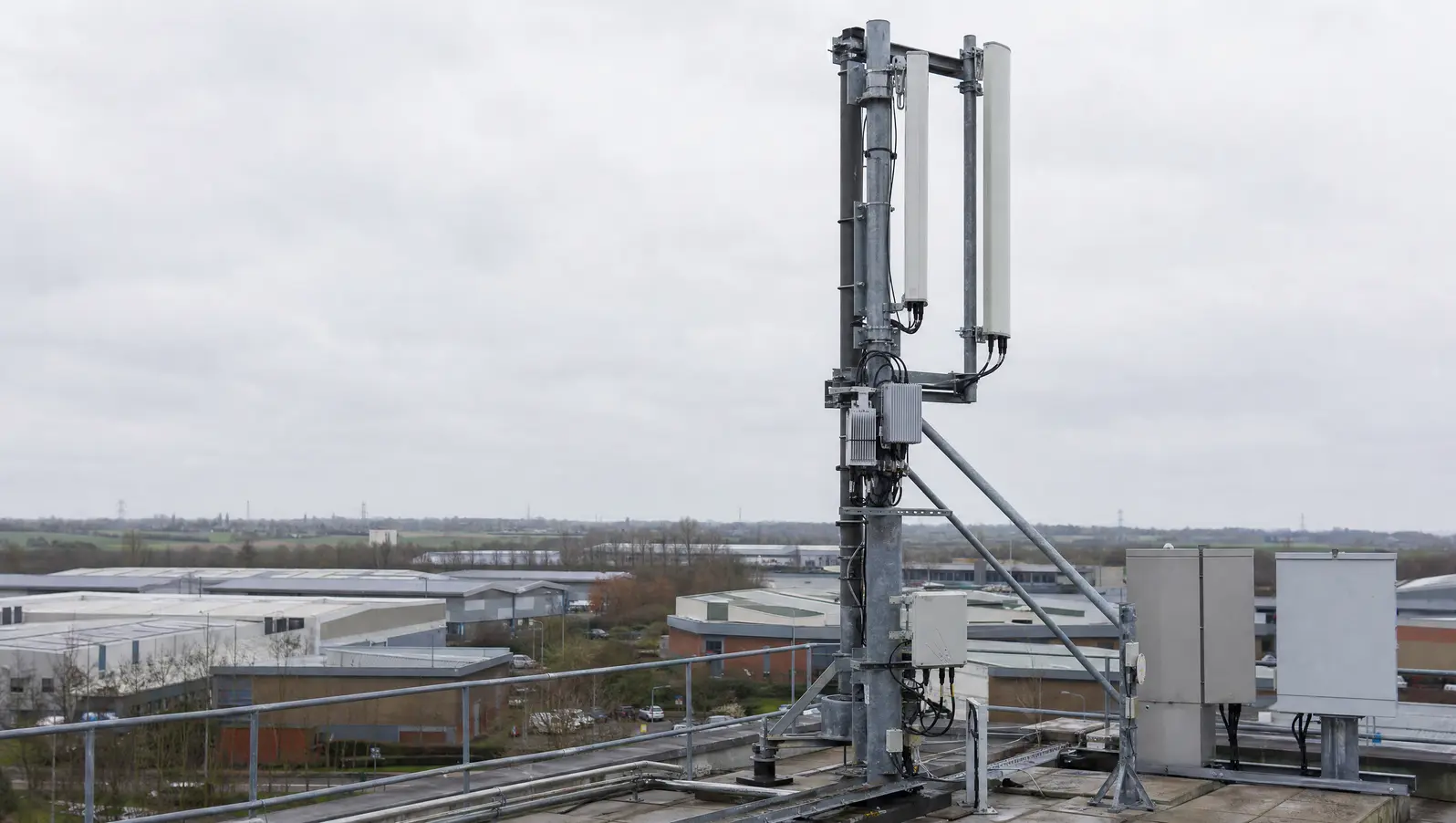




VoLTE for IoT means Voice over LTE: the standard way a 4G network carries a voice call natively as data packets, alongside the device's telemetry. There is no second radio, no bolt-on service and no round-trip to a cloud. As 2G and 3G networks are switched off, this is where voice-capable IoT devices are heading.
Why voice has been an afterthought in IoT
Voice has usually reached connected devices as an add-on, through workarounds built for something other than machines. Four have dominated.
- Circuit-switched voice on 2G and 3G, the old telephone model, where the network holds a dedicated line open for the whole call. These networks are being switched off, country by country.
- Proprietary voice-over-IP systems, which work but require specialised servers, licences and integration work on top of the connectivity.
- Consumer voice products built for smart speakers and mains power, not for a meter on a wall or a tracker on a vehicle.
- Cloud-dependent processing, where every spoken word travels to a data centre and back, adding latency and another failure point.
Anyone who has run a voice-capable fleet knows the results: higher power draw, compatibility problems between components, and deployment costs that push voice down the feature list until it becomes an afterthought rather than a capability.
Where connected devices actually need to talk
Most IoT devices will never need voice. In a handful of settings, though, it is part of the function rather than a convenience.
- Industrial safety systems that issue spoken warnings where a worker cannot look at a screen.
- Healthcare monitoring devices that let a patient and a care provider speak to each other.
- Emergency response beacons that carry a voice channel during a crisis.
- Field service equipment that supports hands-free operation and remote expert guidance.
These settings share one requirement: the voice path has to work the first time, under stress, on whatever network the device finds. A warning that arrives late is not a warning.
What VoLTE changes for IoT devices
VoLTE for IoT devices treats voice as a primary network service rather than an application stacked on top of connectivity, and four properties follow from that.
- Voice sits inside the network architecture, so a call does not depend on a bolted-on service staying alive.
- Voice packets travel on a dedicated bearer, a reserved path through the network with a guaranteed bit rate, so they keep moving when the network is congested.
- One framework carries both voice and data, which simplifies the device design.
- Efficient codecs deliver clearer speech for less energy.
Set beside the alternatives, the difference is easier to see.
| Approach | How voice travels | Behaviour under congestion | What the device needs | Outlook |
|---|---|---|---|---|
| Circuit-switched 2G/3G voice | On a dedicated line held open for the call | Unaffected by data traffic, but tied to shrinking 2G and 3G coverage | Often a second radio alongside the LTE data connection | Being switched off, network by network |
| Over-the-top VoIP | As ordinary data packets via third-party servers | Competes with every other data flow, so quality falls | Separate infrastructure, licensing and cloud processing | Workable, but adds latency and failure points |
| VoLTE | Natively inside the LTE network, on a reserved bearer | Carried with a guaranteed bit rate | One radio and one connection for voice and data | The standard for voice on LTE |
One connection instead of two
Carrying voice over the data connection removes the parts of a voice-capable device that waste the most power. Today's designs often need a separate radio path for voice, power-hungry digital signal processors, always-on wake-word detection and frequent transitions between sleep states.
Consolidating onto one connection trims all of that at once: simpler hardware, lower production cost and better power management. One industry estimate puts the saving at 30 to 40 per cent of the power drawn by voice functions. For a battery-powered device, that is the difference between a site visit every few months and a deployment measured in years.
Voice, telemetry and updates on the same link
The consolidation goes further than voice. A single VoLTE-capable connection can carry everything a device needs.
- telemetry and sensor data
- command and control signals
- firmware updates
- security functions
That removes the parallel connectivity technologies that used to sit inside voice-enabled devices, and it simplifies the commercial side too: one SIM, one data allowance, one bill. Fewer connections also mean fewer things to keep secure and fewer places for a fault to hide.
What to verify before rolling out voice-capable devices
A voice-capable fleet adds a few checks to the usual connectivity due diligence, and four matter most.
- Confirm the modem and firmware support VoLTE, and that it is enabled by default rather than switched off at the factory.
- Ask the connectivity provider whether VoLTE is enabled on the SIM profiles you buy, and on which networks, because support varies between operators and countries.
- Test voice in every country of operation, not just at headquarters, since behaviour differs from network to network.
- Decide what the device does when voice is unavailable, because a safety alert should never depend on a single channel.
Once devices are live, keep watching. Seeing which network each SIM sits on, and its signal and roaming state, turns a mystery into a diagnosis. That visibility comes from managing SIMs alongside devices on RAAD™, the DigitalSom IoT platform.
Devices still relying on circuit-switched voice deserve the most urgent attention, because each network switch-off removes the mechanism they depend on.
Common questions
Do most IoT devices need voice at all?
No. In a typical estate most devices are sensors, meters and trackers that never speak, and voice earns its place in safety systems, care devices, emergency beacons and field service tools. Decide per use case, not per estate.
Does VoLTE work when a device roams?
Not everywhere automatically. Support depends on the visited network and on how the SIM profile is configured, so it must be checked country by country before rollout. Testing on the networks the device will actually use gives the dependable answer.
Does 5G replace VoLTE?
No. 5G was designed to work alongside 4G rather than to replace it overnight, and many 5G deployments still hand voice calls to the LTE layer. A VoLTE-capable device remains a sound choice for fleets shipping now.
How Cloud-IQ approaches this
Cloud-IQ is the DigitalSom group's global IoT connectivity business. We keep devices online across 190+ countries and 800+ mobile networks, and we sell, deploy and support RAAD, the DigitalSom IoT platform. Whatever a device says or senses, it needs the same fundamentals: unsteered roaming that holds the strongest signal, tariffs built around the countries and data a fleet actually uses, with data pooled across the estate, and engineers on call 24/7 who can tell a SIM fault from a network fault. Request a quote.